Buy tennisacademy.eu ?
We are moving the project
tennisacademy.eu .
Are you interested in purchasing the domain
tennisacademy.eu ?
domain@kv-gmbh.de · 0541-91531010
Buy tennisacademy.eu ?
Do my crosses match in the subjunctive indirect speech?
In the subjunctive indirect speech, the verb forms in the subordinate clause should match the tense and mood of the main clause. This means that if the main clause is in the present tense, the verb in the subordinate clause should also be in the present tense subjunctive form. Similarly, if the main clause is in the past tense, the verb in the subordinate clause should be in the past tense subjunctive form. It's important to ensure that the verb forms in the subordinate clause match the main clause to maintain grammatical consistency in the subjunctive indirect speech. **
How are Latin subjunctive subordinate clauses still translated with the subjunctive?
Latin subjunctive subordinate clauses are still translated with the subjunctive in English to convey the same sense of uncertainty, possibility, or doubt. In English, the subjunctive mood is used to express hypothetical or unreal situations, wishes, recommendations, or demands. Therefore, when translating Latin subjunctive subordinate clauses, the English subjunctive is used to maintain the same mood and meaning of the original Latin sentence. **

Similar search terms for Subjunctive
Top-Angebote
Products related to Subjunctive:
-
Coach Lana Leather Hobo bag blackEffortlessly embracing the chic hobo bag trend, this Coach Lana masterpiece is crafted from soft grained leather that promises enduring quality and style. Designed with two handles featuring a 24 cm drop, it offers versatile carrying options for day-to-night wear. Inside, a thoughtfully designed divider with a zip pocket keeps your essentials organised, while the main compartment provides ample space for everyday needs. The bag closes securely with a magnetic clasp and is finished with protective feet to preserve its pristine condition. Accented by a charming decorative tag, this bag is perfect for women who appreciate timeless elegance with a modern twist.371,25 £*Shipping: 0,00 £Secure redirect to the provider
-
Coach Woman Eau de Toilette 30mLAn eau de toilette. What is the story of the Woman perfume?. Light yet full of character, this perfume celebrates individuality with a blend of fresh floral notes and modern sensibility. Feminine floral fragrance. Soft pink packaging with leather-inspired texture. Engraved horse and carriage logo. Embodies effortless American elegance.20,26 £*Shipping: 5,22 £Secure redirect to the provider


-
Perhaps, subjunctive or indicative?
The choice between subjunctive or indicative depends on the context of the sentence. The subjunctive mood is used to express hypothetical or uncertain situations, wishes, recommendations, or doubts. On the other hand, the indicative mood is used for statements of fact or certainty. Therefore, if the sentence is expressing a possibility, doubt, or desire, the subjunctive mood would be more appropriate. **
-
Maybe subjunctive or indicative?
The choice between subjunctive or indicative depends on the context of the sentence. The subjunctive mood is used to express doubt, uncertainty, desire, or hypothetical situations, while the indicative mood is used for statements of fact or certainty. To determine whether to use subjunctive or indicative, consider the verb's relationship to reality and whether it is expressing a fact or a possibility. **
-
Conditional, subjunctive or indicative?
The choice between conditional, subjunctive, or indicative mood depends on the context of the sentence. The conditional mood is used to express a hypothetical situation or a condition that is dependent on something else happening. The subjunctive mood is used to express wishes, recommendations, or possibilities. The indicative mood is used to state facts or ask questions. **
-
What is the use of the present subjunctive and the past subjunctive?
The present subjunctive is used to express desires, doubts, wishes, or hypothetical situations in the present or future. It is often used after certain verbs and conjunctions that indicate uncertainty or subjectivity. The past subjunctive, on the other hand, is used to express desires, doubts, wishes, or hypothetical situations in the past. It is often used in the same way as the present subjunctive, but in reference to past events or situations. Both subjunctive forms are used to convey uncertainty or subjectivity in a sentence. **

Are the subjunctive I and the subjunctive II present in all tenses?
No, the subjunctive I and subjunctive II are not present in all tenses. The subjunctive I is only present in the present tense, while the subjunctive II is present in the past tense. The subjunctive I is used to express wishes, suggestions, or hypothetical situations in the present, while the subjunctive II is used to express wishes, suggestions, or hypothetical situations in the past. Each tense has its own specific form of the subjunctive mood. **
'It is strange that + subjunctive'
It is strange that she should be so calm in such a chaotic situation. **
Top-Angebote
Products related to Subjunctive:
-
Urban Nature Culture Vase Ace - AceSetting forth a tradition that is centuries old, pottery has ever been one of Portugal's trades. Urban Nature Culture loves to work with Portuguese artisans - who use their skills to combine modern looks and contemporary design with techniques of old.145,60 $*Shipping: 0,00 $Secure redirect to the provider
-
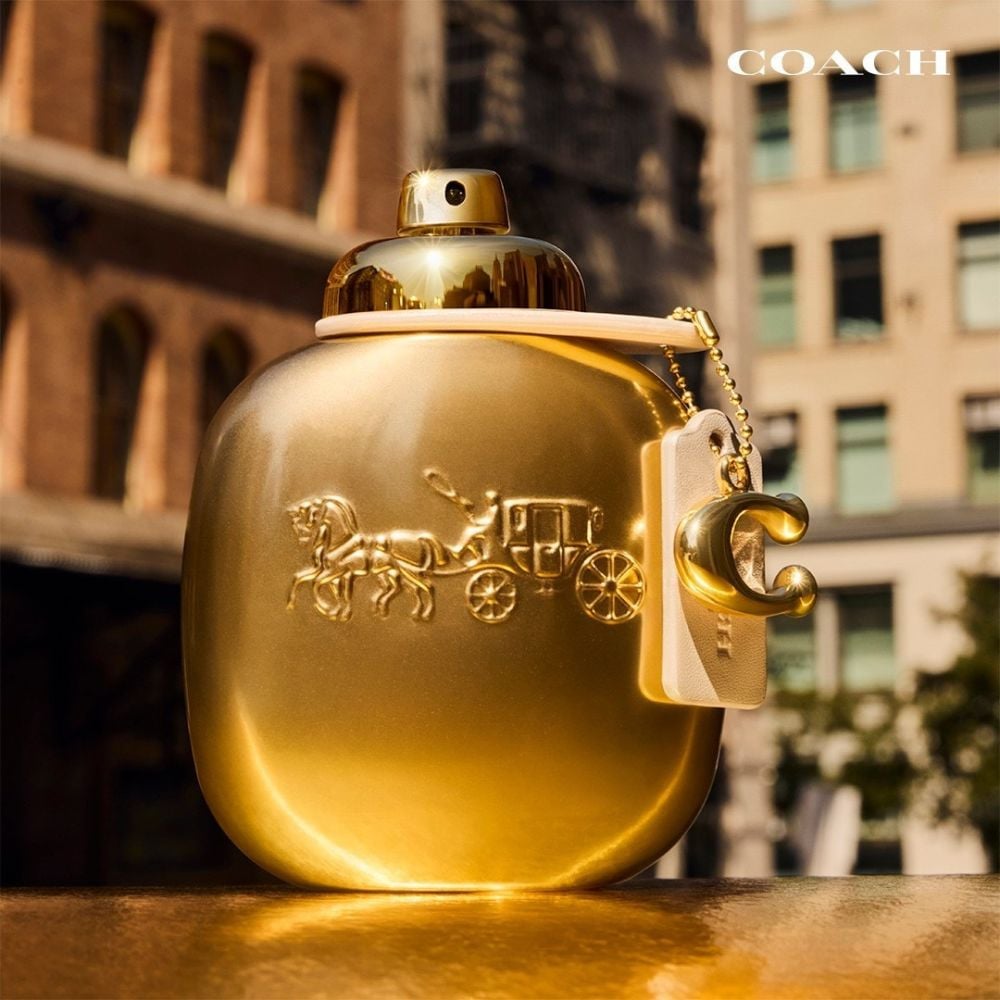
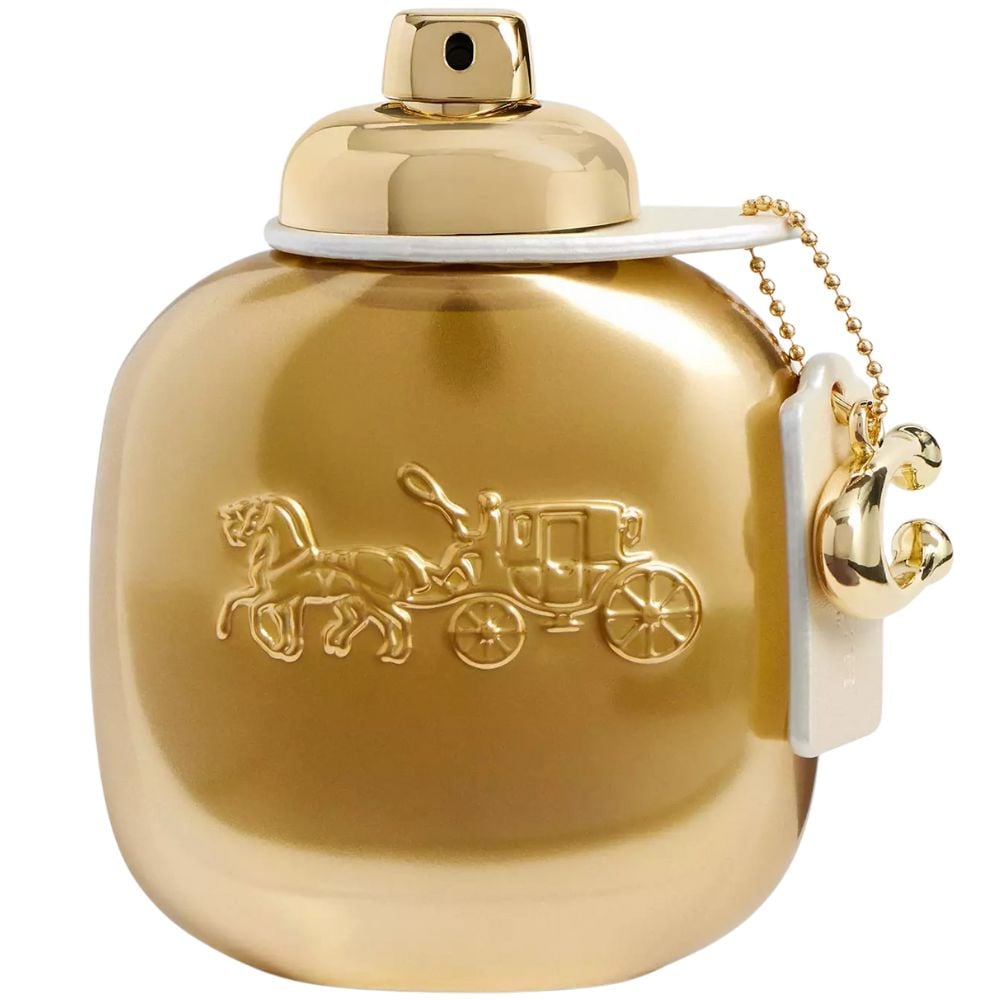
Coach Gold Parfum 90mLA perfume for dull skin. It a radiant, bold women’s fragrance that blends warm vanilla, almond blossom, and sparkling fruits into a luminous, golden signature scent. What is the story of the Gold perfume?. Fragrance family: fruity floral amber. Created by perfumer Louise Turner. Lacquered gold bottle with signature charm.82,31 £*Shipping: 6,94 £Secure redirect to the provider
-
Do my crosses match in the subjunctive indirect speech?
In the subjunctive indirect speech, the verb forms in the subordinate clause should match the tense and mood of the main clause. This means that if the main clause is in the present tense, the verb in the subordinate clause should also be in the present tense subjunctive form. Similarly, if the main clause is in the past tense, the verb in the subordinate clause should be in the past tense subjunctive form. It's important to ensure that the verb forms in the subordinate clause match the main clause to maintain grammatical consistency in the subjunctive indirect speech. **
-
How are Latin subjunctive subordinate clauses still translated with the subjunctive?
Latin subjunctive subordinate clauses are still translated with the subjunctive in English to convey the same sense of uncertainty, possibility, or doubt. In English, the subjunctive mood is used to express hypothetical or unreal situations, wishes, recommendations, or demands. Therefore, when translating Latin subjunctive subordinate clauses, the English subjunctive is used to maintain the same mood and meaning of the original Latin sentence. **
-
Perhaps, subjunctive or indicative?
The choice between subjunctive or indicative depends on the context of the sentence. The subjunctive mood is used to express hypothetical or uncertain situations, wishes, recommendations, or doubts. On the other hand, the indicative mood is used for statements of fact or certainty. Therefore, if the sentence is expressing a possibility, doubt, or desire, the subjunctive mood would be more appropriate. **
-
Maybe subjunctive or indicative?
The choice between subjunctive or indicative depends on the context of the sentence. The subjunctive mood is used to express doubt, uncertainty, desire, or hypothetical situations, while the indicative mood is used for statements of fact or certainty. To determine whether to use subjunctive or indicative, consider the verb's relationship to reality and whether it is expressing a fact or a possibility. **
Similar search terms for Subjunctive
-
Coach Lana Leather Hobo bag blackEffortlessly embracing the chic hobo bag trend, this Coach Lana masterpiece is crafted from soft grained leather that promises enduring quality and style. Designed with two handles featuring a 24 cm drop, it offers versatile carrying options for day-to-night wear. Inside, a thoughtfully designed divider with a zip pocket keeps your essentials organised, while the main compartment provides ample space for everyday needs. The bag closes securely with a magnetic clasp and is finished with protective feet to preserve its pristine condition. Accented by a charming decorative tag, this bag is perfect for women who appreciate timeless elegance with a modern twist.371,25 £*Shipping: 0,00 £Secure redirect to the provider
-
Coach Woman Eau de Toilette 30mLAn eau de toilette. What is the story of the Woman perfume?. Light yet full of character, this perfume celebrates individuality with a blend of fresh floral notes and modern sensibility. Feminine floral fragrance. Soft pink packaging with leather-inspired texture. Engraved horse and carriage logo. Embodies effortless American elegance.20,26 £*Shipping: 5,22 £Secure redirect to the provider
-
Coach Green Eau de Toilette 100mLAn eau de toilette. This product captures the calm of nature and the energy of the city in a bold, refreshing scent for men. What is the story of the Green perfume?. It evokes the calming clarity of a green escape—inviting, energizing, and effortlessly cool. The bottle’s elegant green gradient and signature details reflect timeless craftsmanship and natural sophistication.70,35 £*Shipping: 6,94 £Secure redirect to the provider
-
Coach Gold Parfum 30mLA perfume for dull skin. It a radiant, bold women’s fragrance that blends warm vanilla, almond blossom, and sparkling fruits into a luminous, golden signature scent. What is the story of the Gold perfume?. Fragrance family: fruity floral amber. Created by perfumer Louise Turner. Lacquered gold bottle with signature charm.35,45 £*Shipping: 5,22 £Secure redirect to the provider
-
Conditional, subjunctive or indicative?
The choice between conditional, subjunctive, or indicative mood depends on the context of the sentence. The conditional mood is used to express a hypothetical situation or a condition that is dependent on something else happening. The subjunctive mood is used to express wishes, recommendations, or possibilities. The indicative mood is used to state facts or ask questions. **
-
What is the use of the present subjunctive and the past subjunctive?
The present subjunctive is used to express desires, doubts, wishes, or hypothetical situations in the present or future. It is often used after certain verbs and conjunctions that indicate uncertainty or subjectivity. The past subjunctive, on the other hand, is used to express desires, doubts, wishes, or hypothetical situations in the past. It is often used in the same way as the present subjunctive, but in reference to past events or situations. Both subjunctive forms are used to convey uncertainty or subjectivity in a sentence. **
-
Are the subjunctive I and the subjunctive II present in all tenses?
No, the subjunctive I and subjunctive II are not present in all tenses. The subjunctive I is only present in the present tense, while the subjunctive II is present in the past tense. The subjunctive I is used to express wishes, suggestions, or hypothetical situations in the present, while the subjunctive II is used to express wishes, suggestions, or hypothetical situations in the past. Each tense has its own specific form of the subjunctive mood. **
-
'It is strange that + subjunctive'
It is strange that she should be so calm in such a chaotic situation. **
* All prices are inclusive of VAT and, if applicable, plus shipping costs. The offer information is based on the details provided by the respective shop and is updated through automated processes. Real-time updates do not occur, so deviations can occur in individual cases. ** Note: Parts of this content were created by AI.