Buy tennisacademy.eu ?
We are moving the project
tennisacademy.eu .
Are you interested in purchasing the domain
tennisacademy.eu ?
domain@kv-gmbh.de · 0541-91531010
Buy tennisacademy.eu ?
Is allosteric inhibition the same as non-competitive inhibition?
Allosteric inhibition and non-competitive inhibition are not the same, although they are related. Non-competitive inhibition refers to the binding of an inhibitor to a site on the enzyme that is not the active site, thereby preventing the substrate from binding to the active site. Allosteric inhibition, on the other hand, occurs when an inhibitor binds to a site on the enzyme that is distinct from the active site, causing a conformational change in the enzyme that reduces its activity. While both types of inhibition involve the binding of an inhibitor to a site other than the active site, allosteric inhibition specifically involves a change in the enzyme's shape and activity. **
What type of inhibition occurs through allosteric activation/inhibition?
Allosteric inhibition occurs when a molecule binds to an allosteric site on an enzyme, causing a conformational change that reduces the enzyme's activity. This type of inhibition is non-competitive, meaning it does not compete with the substrate for the active site. Allosteric activation, on the other hand, occurs when a molecule binds to an allosteric site and enhances the enzyme's activity. Both allosteric inhibition and activation involve the binding of a regulatory molecule to a site other than the active site of the enzyme, leading to a change in the enzyme's activity. **

Similar search terms for Inhibition
Top-Angebote
Products related to Inhibition:
-
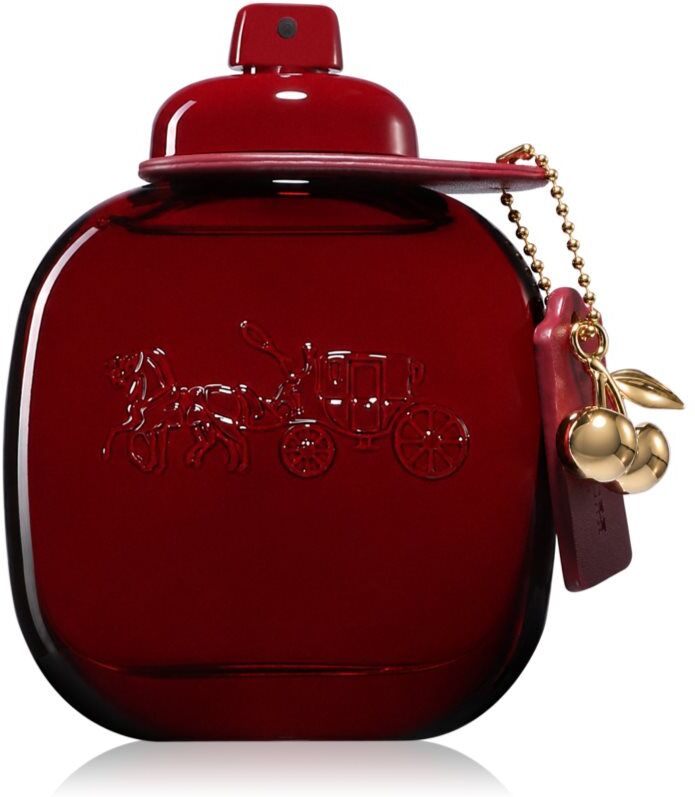
Coach Cherry perfume W 90 mlCoach Cherry, 90 ml, Perfumes for Women, If you absolutely love fruit, then you won’t be able to resist the Coach Cherry perfume for women. The delicious, juicy notes of fruit are especially hard to resist and will make an ordinary day instantly lovelier. fruity fragrance floral fragrance great for women with a romantic soul a fragrance that’s ideal for everyday wear and special occasions guaranteed to make an amazing gift59,60 £*Shipping: 3,99 £Secure redirect to the provider
-
Coach Lana Leather Hobo bag blackEffortlessly embracing the chic hobo bag trend, this Coach Lana masterpiece is crafted from soft grained leather that promises enduring quality and style. Designed with two handles featuring a 24 cm drop, it offers versatile carrying options for day-to-night wear. Inside, a thoughtfully designed divider with a zip pocket keeps your essentials organised, while the main compartment provides ample space for everyday needs. The bag closes securely with a magnetic clasp and is finished with protective feet to preserve its pristine condition. Accented by a charming decorative tag, this bag is perfect for women who appreciate timeless elegance with a modern twist.371,25 £*Shipping: 0,00 £Secure redirect to the provider


-
What is the difference between competitive inhibition and allosteric inhibition?
Competitive inhibition occurs when a molecule competes with the substrate for the active site of an enzyme, effectively blocking the substrate from binding and inhibiting the enzyme's activity. In contrast, allosteric inhibition occurs when a molecule binds to a site on the enzyme other than the active site, causing a conformational change that reduces the enzyme's activity. While competitive inhibition directly competes with the substrate for the active site, allosteric inhibition involves binding to a different site on the enzyme to regulate its activity. **
-
Is allosteric inhibition irreversible?
Allosteric inhibition is typically reversible, meaning that the inhibitor can bind to the allosteric site and block the activity of the enzyme, but can also dissociate from the site, allowing the enzyme to regain its activity. This is in contrast to irreversible inhibition, where the inhibitor forms a covalent bond with the enzyme, permanently inactivating it. **
-
Non-competitive inhibition, right?
Non-competitive inhibition is a type of enzyme inhibition where the inhibitor binds to a site on the enzyme that is not the active site. This binding causes a conformational change in the enzyme, making it less effective at catalyzing the reaction. Non-competitive inhibitors do not compete with the substrate for binding to the enzyme. Instead, they can bind to the enzyme-substrate complex or to a separate allosteric site on the enzyme. **
-
What is allosteric inhibition?
Allosteric inhibition is a type of enzyme regulation where a molecule binds to a site on the enzyme that is different from the active site, causing a conformational change in the enzyme's structure. This change reduces the enzyme's activity and ability to bind to its substrate, ultimately inhibiting its function. Allosteric inhibition is a reversible process and can be used to regulate enzyme activity in response to changing cellular conditions. **


What is the difference between allosteric inhibition and competitive inhibition in biology?
Allosteric inhibition occurs when a molecule binds to an allosteric site on an enzyme, causing a conformational change that reduces the enzyme's activity. This type of inhibition is non-competitive and can affect multiple enzymes in a metabolic pathway. On the other hand, competitive inhibition occurs when a molecule competes with the substrate for the active site of the enzyme, effectively blocking the substrate from binding and reducing the enzyme's activity. Competitive inhibition can be overcome by increasing the concentration of the substrate, while allosteric inhibition cannot be overcome in the same way. **
What is the difference between non-competitive inhibition and allosteric inhibition in biochemistry?
Non-competitive inhibition occurs when an inhibitor binds to an enzyme at a site other than the active site, causing a conformational change in the enzyme that reduces its activity. This type of inhibition does not compete with the substrate for binding to the active site. On the other hand, allosteric inhibition occurs when an inhibitor binds to an allosteric site on the enzyme, causing a conformational change that reduces the enzyme's activity. Allosteric inhibition can be reversible or irreversible, and it can be overcome by increasing the concentration of the substrate. **
Top-Angebote
Products related to Inhibition:
-
Urban Nature Culture Vase Ace - AceSetting forth a tradition that is centuries old, pottery has ever been one of Portugal's trades. Urban Nature Culture loves to work with Portuguese artisans - who use their skills to combine modern looks and contemporary design with techniques of old.145,60 $*Shipping: 0,00 $Secure redirect to the provider
-
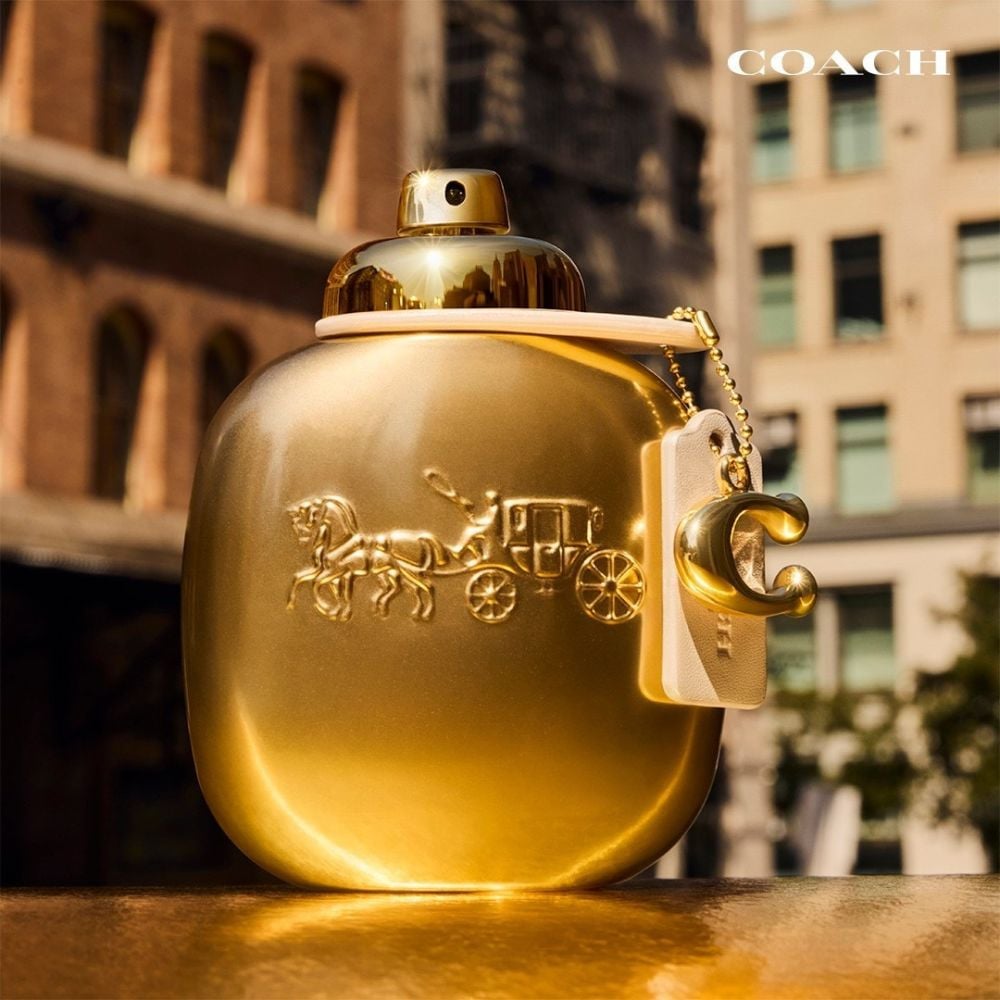
Coach Gold Parfum 90mLA perfume for dull skin. It a radiant, bold women’s fragrance that blends warm vanilla, almond blossom, and sparkling fruits into a luminous, golden signature scent. What is the story of the Gold perfume?. Fragrance family: fruity floral amber. Created by perfumer Louise Turner. Lacquered gold bottle with signature charm.82,31 £*Shipping: 6,94 £Secure redirect to the provider
-
Is allosteric inhibition the same as non-competitive inhibition?
Allosteric inhibition and non-competitive inhibition are not the same, although they are related. Non-competitive inhibition refers to the binding of an inhibitor to a site on the enzyme that is not the active site, thereby preventing the substrate from binding to the active site. Allosteric inhibition, on the other hand, occurs when an inhibitor binds to a site on the enzyme that is distinct from the active site, causing a conformational change in the enzyme that reduces its activity. While both types of inhibition involve the binding of an inhibitor to a site other than the active site, allosteric inhibition specifically involves a change in the enzyme's shape and activity. **
-
What type of inhibition occurs through allosteric activation/inhibition?
Allosteric inhibition occurs when a molecule binds to an allosteric site on an enzyme, causing a conformational change that reduces the enzyme's activity. This type of inhibition is non-competitive, meaning it does not compete with the substrate for the active site. Allosteric activation, on the other hand, occurs when a molecule binds to an allosteric site and enhances the enzyme's activity. Both allosteric inhibition and activation involve the binding of a regulatory molecule to a site other than the active site of the enzyme, leading to a change in the enzyme's activity. **
-
What is the difference between competitive inhibition and allosteric inhibition?
Competitive inhibition occurs when a molecule competes with the substrate for the active site of an enzyme, effectively blocking the substrate from binding and inhibiting the enzyme's activity. In contrast, allosteric inhibition occurs when a molecule binds to a site on the enzyme other than the active site, causing a conformational change that reduces the enzyme's activity. While competitive inhibition directly competes with the substrate for the active site, allosteric inhibition involves binding to a different site on the enzyme to regulate its activity. **
-
Is allosteric inhibition irreversible?
Allosteric inhibition is typically reversible, meaning that the inhibitor can bind to the allosteric site and block the activity of the enzyme, but can also dissociate from the site, allowing the enzyme to regain its activity. This is in contrast to irreversible inhibition, where the inhibitor forms a covalent bond with the enzyme, permanently inactivating it. **
Similar search terms for Inhibition
-
Coach Cherry perfume W 90 mlCoach Cherry, 90 ml, Perfumes for Women, If you absolutely love fruit, then you won’t be able to resist the Coach Cherry perfume for women. The delicious, juicy notes of fruit are especially hard to resist and will make an ordinary day instantly lovelier. fruity fragrance floral fragrance great for women with a romantic soul a fragrance that’s ideal for everyday wear and special occasions guaranteed to make an amazing gift59,60 £*Shipping: 3,99 £Secure redirect to the provider
-
Coach Lana Leather Hobo bag blackEffortlessly embracing the chic hobo bag trend, this Coach Lana masterpiece is crafted from soft grained leather that promises enduring quality and style. Designed with two handles featuring a 24 cm drop, it offers versatile carrying options for day-to-night wear. Inside, a thoughtfully designed divider with a zip pocket keeps your essentials organised, while the main compartment provides ample space for everyday needs. The bag closes securely with a magnetic clasp and is finished with protective feet to preserve its pristine condition. Accented by a charming decorative tag, this bag is perfect for women who appreciate timeless elegance with a modern twist.371,25 £*Shipping: 0,00 £Secure redirect to the provider
-
Coach Woman Eau de Toilette 30mLAn eau de toilette. What is the story of the Woman perfume?. Light yet full of character, this perfume celebrates individuality with a blend of fresh floral notes and modern sensibility. Feminine floral fragrance. Soft pink packaging with leather-inspired texture. Engraved horse and carriage logo. Embodies effortless American elegance.20,26 £*Shipping: 5,22 £Secure redirect to the provider
-
Coach Green Eau de Toilette 100mLAn eau de toilette. This product captures the calm of nature and the energy of the city in a bold, refreshing scent for men. What is the story of the Green perfume?. It evokes the calming clarity of a green escape—inviting, energizing, and effortlessly cool. The bottle’s elegant green gradient and signature details reflect timeless craftsmanship and natural sophistication.70,35 £*Shipping: 6,94 £Secure redirect to the provider
-
Non-competitive inhibition, right?
Non-competitive inhibition is a type of enzyme inhibition where the inhibitor binds to a site on the enzyme that is not the active site. This binding causes a conformational change in the enzyme, making it less effective at catalyzing the reaction. Non-competitive inhibitors do not compete with the substrate for binding to the enzyme. Instead, they can bind to the enzyme-substrate complex or to a separate allosteric site on the enzyme. **
-
What is allosteric inhibition?
Allosteric inhibition is a type of enzyme regulation where a molecule binds to a site on the enzyme that is different from the active site, causing a conformational change in the enzyme's structure. This change reduces the enzyme's activity and ability to bind to its substrate, ultimately inhibiting its function. Allosteric inhibition is a reversible process and can be used to regulate enzyme activity in response to changing cellular conditions. **
-
What is the difference between allosteric inhibition and competitive inhibition in biology?
Allosteric inhibition occurs when a molecule binds to an allosteric site on an enzyme, causing a conformational change that reduces the enzyme's activity. This type of inhibition is non-competitive and can affect multiple enzymes in a metabolic pathway. On the other hand, competitive inhibition occurs when a molecule competes with the substrate for the active site of the enzyme, effectively blocking the substrate from binding and reducing the enzyme's activity. Competitive inhibition can be overcome by increasing the concentration of the substrate, while allosteric inhibition cannot be overcome in the same way. **
-
What is the difference between non-competitive inhibition and allosteric inhibition in biochemistry?
Non-competitive inhibition occurs when an inhibitor binds to an enzyme at a site other than the active site, causing a conformational change in the enzyme that reduces its activity. This type of inhibition does not compete with the substrate for binding to the active site. On the other hand, allosteric inhibition occurs when an inhibitor binds to an allosteric site on the enzyme, causing a conformational change that reduces the enzyme's activity. Allosteric inhibition can be reversible or irreversible, and it can be overcome by increasing the concentration of the substrate. **
* All prices are inclusive of VAT and, if applicable, plus shipping costs. The offer information is based on the details provided by the respective shop and is updated through automated processes. Real-time updates do not occur, so deviations can occur in individual cases. ** Note: Parts of this content were created by AI.